01
Define the responsibility of each layer
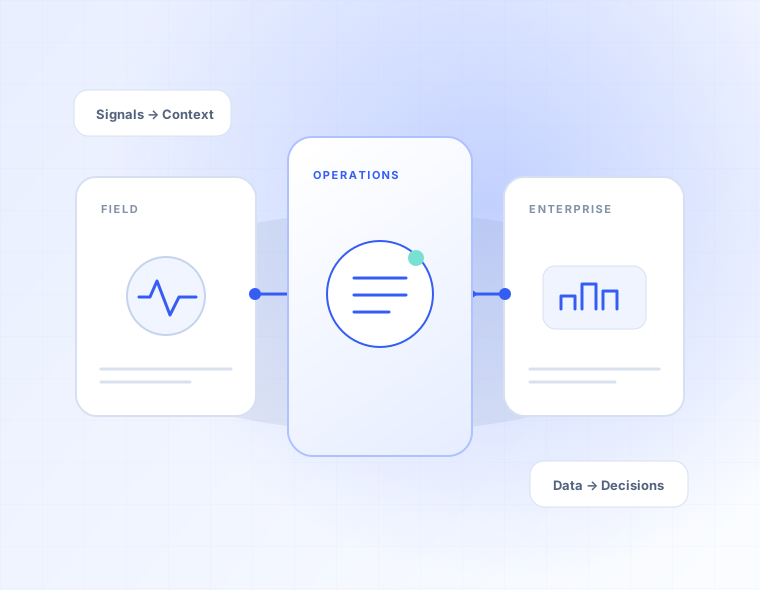
Controllers need deterministic local behavior. Supervisory and execution systems provide broader visibility and coordination. Enterprise applications consume trusted operational context. Keep responsibilities explicit across these layers.
02
Choose interfaces deliberately
Select protocols and data exchange patterns around timing, direction, volume, availability and ownership. Use buffering or intermediaries where they help contain coupling and preserve local operations during interruptions.
03
Design security and change together
Map conduits, identities and trust boundaries, then align access control, monitoring, backup and change management with operational constraints. A documented data contract helps teams review changes safely.